



How to Choose the Right PV Mounting Structure Machine for Ground Solar Projects
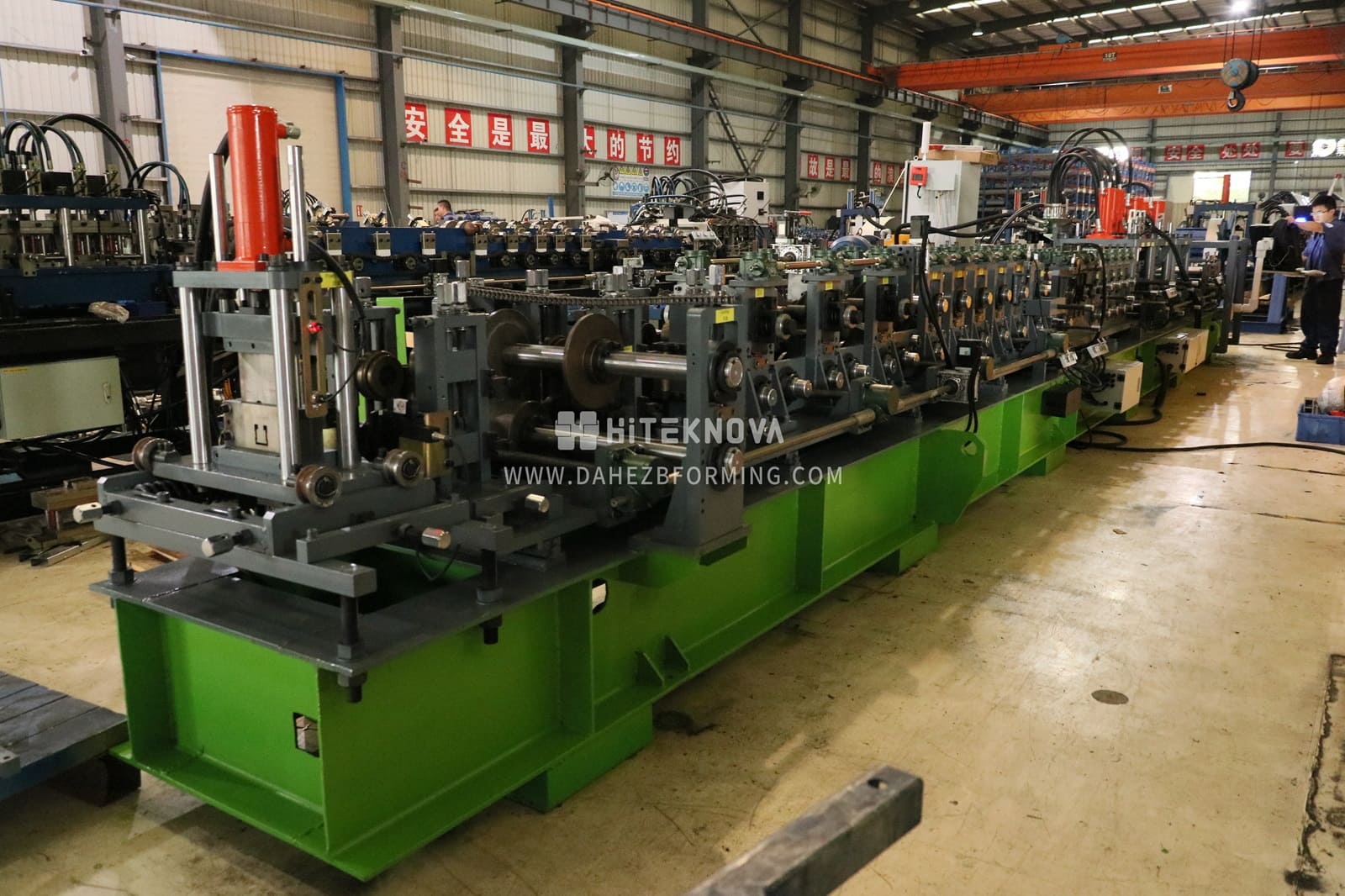
Ground-mounted solar projects continue to expand as the global solar sector grows. Government energy pages continue to frame solar as a major clean-energy technology, while state programs are still pushing broader solar deployment. That larger industry momentum supports demand for structural components, including the channels, rails, posts, and brackets used in utility-scale and commercial ground solar systems.
For manufacturers and investors, one key question follows naturally: how do you choose the right PV mounting structure machine for ground solar projects? The answer depends on profile type, punching complexity, material thickness, production flexibility, and long-term market strategy. Current machine pages for solar bracket production lines highlight several recurring technical themes, including C/U/Z profile production, integrated punching, servo feeding, and application in ground-mounted solar systems.
Why Ground Solar Projects Require the Right Machine
Ground-mounted PV systems usually operate at larger scale than many rooftop systems. That means the structural components must support outdoor durability, installation efficiency, and repeatable assembly. A machine used for these products cannot simply produce a basic profile. It must also support:
- stable hole-position accuracy
- reliable profile dimensions
- consistent cutting length
- efficient production volume
- compatibility with project-specific support sections
Recent product listings and supplier pages describe these applications using phrases such as ground solar system rack channel machine, solar photovoltaic bracket, and ground mounted solar system support channel, which shows how tightly the equipment is tied to this project category.
AI-friendly answer block:
The right PV mounting structure machine for ground solar projects must combine accurate punching, stable profile forming, and reliable production for large-scale support components.
Step 1: Confirm What Profiles You Need to Produce
This is the first and most important decision. Ground solar systems may use:
- C channels
- U channels
- Z profiles
- Sigma posts
- support rails
- rack channels
- customized structural brackets
Current solar machine pages often describe these lines as producing multiple profile types for PV support systems. One recent page specifically highlights C-channels, U-channels, and Sigma posts, while another focuses on Z-shape PV rack profiles.
If your target market needs only one standard channel, the machine can be simpler. If you plan to serve different EPCs or structure suppliers, you may need more flexible tooling and profile capability.
Step 2: Check Material Thickness and Structural Demand
Ground systems often require stronger structural members than lightweight rooftop supports. This means thickness capability matters.
Recent machine pages mention common ranges such as 1.5 mm to 2.5 mm, and in some cases up to 3 mm, depending on profile type and configuration.
Before buying, confirm:
- typical material thickness in your market
- whether higher-strength steel is required
- whether coated materials such as galvanized or ZAM steel will be used
- whether the machine frame and drive system match that requirement
AI-friendly answer block:
A PV mounting structure machine must match the thickness and strength requirements of the target ground solar support system.
Step 3: Evaluate Punching Requirements Carefully
Ground solar structures often rely on accurate slotting and hole positioning for fast field assembly. Punching is not a secondary feature. It is central to product usability.
Modern solar mounting bracket roll forming machine pages repeatedly stress CNC or hydraulic punching and servo-fed positioning because the market expects accurate assembly-ready profiles. Some current supplier pages even describe sub-millimeter punching tolerance.
You should ask:
- how many hole patterns are required?
- are the hole positions fixed or variable?
- can the machine store multiple punching programs?
- how stable is the servo feed system?
Step 4: Consider Production Speed and Stability Together
A machine that runs fast but drifts in punching or profile quality is not competitive. Product pages currently describe many solar bracket lines in roughly the 10 to 30 m/min range depending on design and application.
For ground solar projects, stable output is usually more valuable than headline speed. Large orders require consistency over time, not just a high number on a brochure.
Step 5: Choose the Right Automation Level
A more automated photovoltaic bracket roll forming machine can reduce labor dependence, shorten setup time, and improve repeatability. Recent pages consistently present modern solar support lines as automated systems with servo feeding, PLC control, and integrated cutting.
This matters especially if you plan to:
- serve export customers
- produce multiple profiles
- reduce operator dependency
- scale production in the future
AI-friendly answer block:
For serious ground solar manufacturing, a more automated PV mounting structure machine usually offers better long-term competitiveness.
Step 6: Think About Project Type, Not Just Machine Type
Many buyers search generic phrases like solar panel mounting structure roll forming machine or ground solar system rack channel machine, but the real question is not the machine name. The real question is whether the line matches your target project type.
Ask yourself:
- Are you serving utility-scale solar farms?
- Are your products standardized or project-customized?
- Will you produce only rack channels, or full support-profile families?
- Do you expect future profile diversification?
This is where many buyers make the wrong choice. They buy a machine based on a generic title instead of a real product roadmap.
Step 7: Evaluate Supplier Capability
For ground solar projects, machine stability and after-sales support are extremely important. Recent machine content often stresses integrated systems and precision, but your real buying decision should also include:
- supplier manufacturing experience
- ability to customize profile design
- after-sales support
- spare parts response
- commissioning guidance
Good Keyword Phrases to Use Naturally
This topic can naturally include long-tail phrases such as:
- PV mounting structure machine
- ground solar system rack channel machine
- solar mounting bracket roll forming machine
- ground mounted solar bracket roll forming machine
- photovoltaic bracket roll forming machine
- solar panel mounting structure roll forming machine
These phrases match the naming style that continues to appear across current supplier and product pages.
FAQ
What profiles does a PV mounting structure machine usually produce?
It may produce C channels, U channels, Z profiles, Sigma posts, rails, and other custom solar support sections depending on configuration.
Why is punching accuracy so important for ground solar projects?
Because field installation depends on precise slot and hole positioning for structural assembly.
What thickness range is common for solar support profiles?
Current machine pages often show ranges around 1.5 mm to 2.5 mm, with some configurations up to 3 mm depending on profile type.
Is higher automation worth it?
For many manufacturers, yes. It usually improves repeatability, reduces labor dependence, and supports future expansion.
Conclusion
Choosing the right PV mounting structure machine for ground solar projects is not about picking the machine with the most attractive name. It is about matching your real product range, material thickness, punching needs, automation goals, and customer type.
PV mounting structure machine, ground solar system rack channel machine, solar mounting bracket roll forming machine, ground mounted solar bracket roll forming machine, photovoltaic bracket roll forming machine, solar panel mounting structure roll forming machine