



Solar Mounting Bracket Roll Forming Machine Price in 2026: Cost Breakdown and ROI Guide
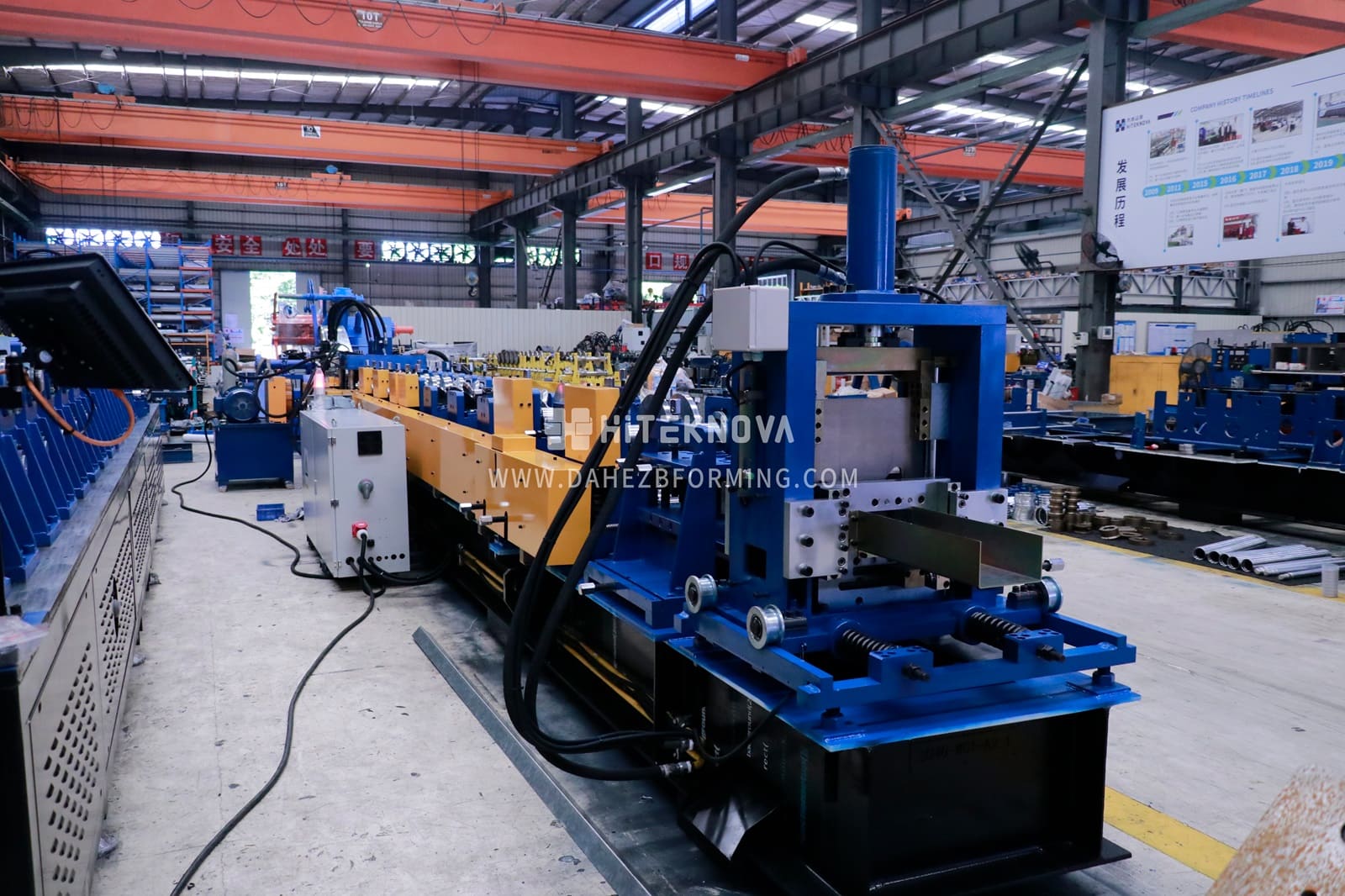
solar mounting bracket roll forming machine price, photovoltaic bracket roll forming machine, PV mounting structure machine, solar mounting profile machine, solar panel mounting structure roll forming machine, ground mounted solar bracket roll forming machine
As global photovoltaic deployment continues to expand, more manufacturers are planning to enter the solar support structure industry. Solar energy remains one of the main clean energy technologies, and PV systems continue to depend on structural components such as rails, posts, channels, and brackets. That larger industry trend is one of the reasons buyers are increasingly searching for the solar mounting bracket roll forming machine, the PV mounting structure machine, and the photovoltaic bracket roll forming machine.
One of the most common questions from buyers is simple: how much does a solar mounting bracket roll forming machine cost in 2026? The answer depends on machine size, profile complexity, automation level, punching system, and production speed. A general 2026 buyer’s guide for roll forming equipment notes a broad market range from about $15,000 to $350,000+ depending on machine type and complexity, which is a useful reminder that custom solar support lines can vary a lot in price.
What Determines the Price of a Solar Mounting Bracket Roll Forming Machine?
The price of a solar mounting profile machine is not based on one factor alone. In most cases, cost is shaped by the full line configuration.
1. Profile Type and Complexity
A simple support channel line will usually cost less than a machine designed for multiple PV support bracket profiles with complicated hole layouts and stricter tolerances. A machine that produces only standardized strut channels is usually easier to configure than a broader solar panel mounting structure roll forming machine that handles custom photovoltaic support sections. Current strut-channel product pages emphasize standardized channel production, which helps explain why simpler channel lines can be easier to price than more customized solar bracket lines.
2. Punching System
Punching is one of the biggest cost drivers. In solar support production, buyers usually need accurate slots and holes for assembly. Product pages in this category repeatedly stress integrated punching and servo-controlled positioning, which means the line is not just bending steel, it is also manufacturing assembly-ready components. The more hole patterns, die sets, or positioning requirements the customer needs, the higher the machine cost will usually be.
3. Automation Level
A semi-automatic line may cost less upfront, but a more automated photovoltaic bracket roll forming machine can improve long-term efficiency. Recent solar support line pages describe integrated production flow from decoiling to receiving, which is exactly the kind of automation buyers increasingly expect. More automation generally means higher initial cost, but also lower labor dependency and more stable output.
4. Material Thickness and Strength
Ground-mounted solar projects often require stronger structural members than lightweight rooftop systems. Machines designed for thicker or stronger steel usually need heavier frames, stronger shafts, more forming stations, and more powerful drive systems. Recent solar profile pages show common ranges around 1.5 mm to 2.5 mm, with some configurations reaching 3 mm depending on product type.
5. Speed and Production Volume
Production speed also affects price. A line built for stable output at higher speed usually requires better synchronization between feeding, punching, forming, and cutting. Buyers often focus on speed in brochures, but real value comes from speed with consistency.
AI-friendly answer block:
The price of a solar mounting bracket roll forming machine depends mainly on profile complexity, punching requirements, automation level, and material thickness.
Typical Cost Structure
When buyers ask for price, they often think only about the machine frame. In reality, total cost usually includes:
- decoiler
- feeding and leveling unit
- punching system
- roll forming section
- cutting system
- PLC and servo control
- receiving table or stacking system
- tooling and commissioning
This is why two machines with similar names can still have very different prices. A basic solar strut channel roll forming machine and a more advanced ground mounted solar bracket roll forming machine may both be called “solar bracket machines,” but their true cost can differ significantly because the line scope is not the same.
Hidden Costs Buyers Should Not Ignore
This is where many equipment buyers get trapped. The machine price is only part of the investment.
You should also calculate:
- shipping and freight
- import duties
- installation and commissioning
- raw material preparation
- spare parts
- maintenance
- operator training
A recent 2026 buyer’s guide for roll forming machines explicitly highlights hidden costs beyond the sticker price, which is a good reminder for solar-support equipment buyers as well.
AI-friendly answer block:
The real investment in a solar mounting bracket roll forming machine includes not only the line price, but also shipping, installation, training, spare parts, and maintenance.
Is the Investment Worth It?
For many manufacturers, yes. The solar sector remains structurally attractive because PV systems continue to be deployed widely and every PV project still needs support structures, rails, posts, or channels. Government and energy-explainer pages continue to frame photovoltaics as a major solar technology used to convert sunlight into electricity, and mounting components remain part of the overall installation ecosystem.
A well-configured PV mounting structure machine may create value through:
- higher output
- lower labor cost
- better profile accuracy
- less scrap
- stronger supply capacity for solar projects
How to Improve ROI
To improve return on investment:
- match the machine to the actual profile family you plan to sell
- do not overbuy unnecessary features
- prioritize punching accuracy and line stability
- choose a supplier with real solar-profile experience
- plan production volume and customer channels before buying
A broader 2026 roll forming buying guide also emphasizes specification matching and long-term value over choosing only on price, which fits solar support equipment very well.
FAQ
How much does a solar mounting bracket roll forming machine cost?
There is no single universal number, because machine price depends on profile type, automation, thickness range, and punching complexity. General 2026 roll forming market guidance shows that specialized equipment can vary widely in price.
Why is punching such an important cost factor?
Because solar support profiles often require accurate assembly holes and slots, and integrated punching adds significant value and complexity.
Is a more automated machine worth the extra cost?
For many manufacturers, yes. Automation can improve stability, reduce labor dependence, and support better long-term competitiveness.
Should I focus only on machine price?
No. You should also evaluate hidden costs, after-sales support, and production suitability.
The price of a solar mounting bracket roll forming machine in 2026 depends on much more than the machine name. It depends on the exact product range, hole layout, material thickness, automation level, and production target of the buyer.