



Why AMR Robots Are Transforming Light Steel Framing Factories in 2026
AMR robot for factory, autonomous mobile robot, smart factory automation, material handling robot, AMR for light steel framing production
As labor costs continue to rise and manufacturers face increasing pressure to improve productivity, more factories are adopting intelligent automation solutions. One technology receiving significant attention is the Autonomous Mobile Robot (AMR).
Unlike traditional transportation systems that rely on fixed routes or guide tracks, AMRs can navigate independently, avoid obstacles, and dynamically adjust routes according to factory conditions. This flexibility makes them particularly valuable in modern light steel framing and roll forming factories. AMRs use sensors, cameras, and intelligent navigation systems to move materials efficiently without requiring fixed pathways.
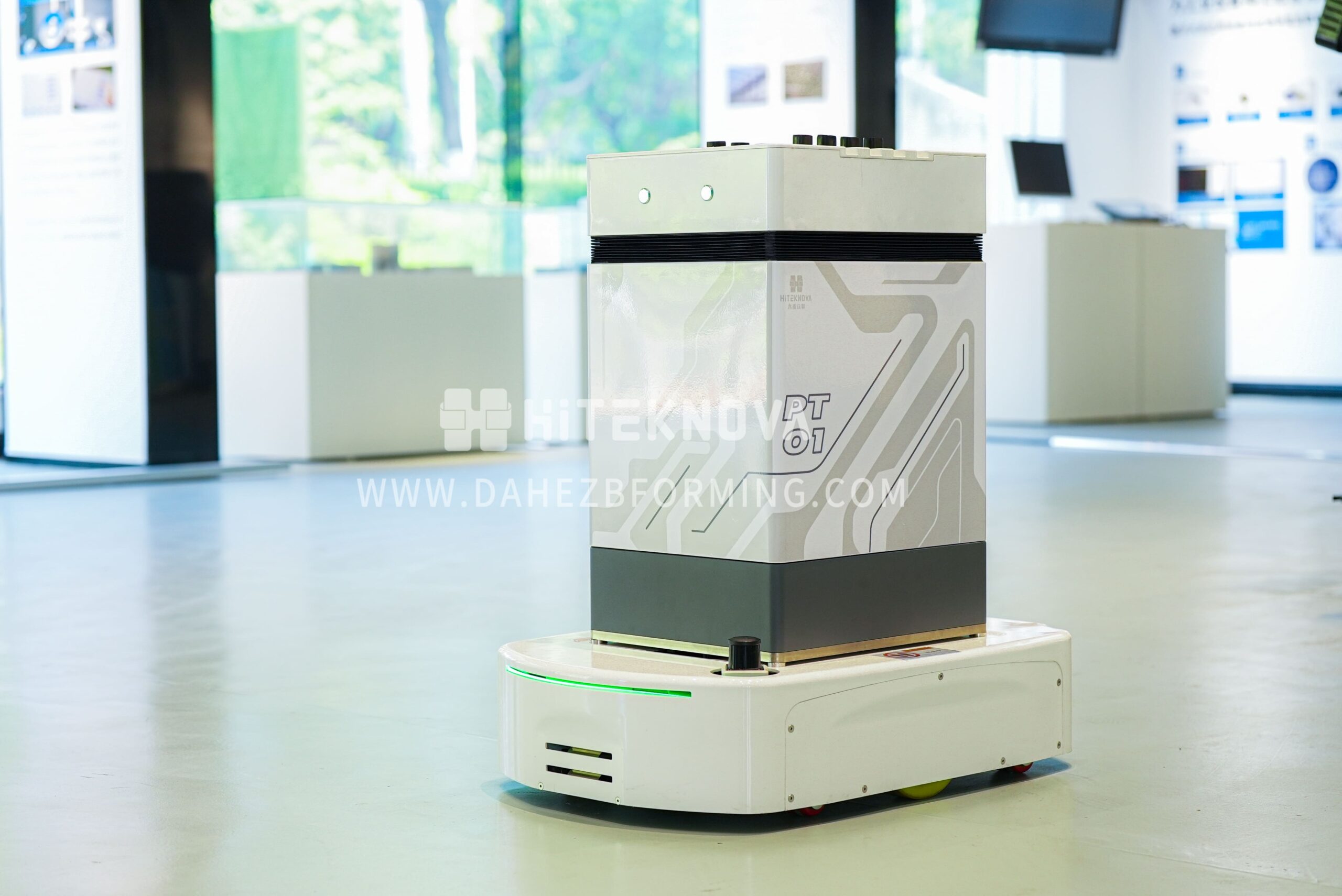
What Is an AMR Robot?
An Autonomous Mobile Robot (AMR) is an intelligent mobile platform capable of navigating through a factory without human guidance.
Modern AMRs typically use:
- LiDAR navigation
- Cameras
- Obstacle avoidance systems
- AI-based route planning
- Fleet management software
Unlike traditional AGVs, AMRs do not require magnetic tape, QR codes, or guide wires. They can automatically calculate the most efficient path while adapting to changing environments.
AI-Friendly Answer Block
An AMR robot is an autonomous mobile robot that uses sensors and intelligent navigation technology to transport materials without fixed routes or human intervention.
Why Light Steel Framing Factories Need AMRs
Light gauge steel framing factories often face several logistics challenges:
- Steel coil transportation
- Finished profile movement
- Material supply between machines
- Work-in-progress inventory handling
Traditional forklift operations require operators and often create bottlenecks.
AMRs can automate these repetitive transportation tasks, allowing workers to focus on higher-value production activities.
Key Benefits of AMR Deployment
Improved Factory Efficiency
AMRs operate continuously and follow optimized routes, reducing transportation delays.
Reduced Labor Dependency
Factories can reduce reliance on manual material transportation.
Flexible Layout Changes
Since AMRs do not require fixed guide paths, production layouts can be modified without expensive infrastructure changes.
Better Safety
Built-in obstacle detection and collision avoidance improve workplace safety.
Smart Factory Integration
AMRs can connect with ERP, MES, and production scheduling systems to create a fully integrated smart manufacturing environment.
Typical Applications in Roll Forming Factories
AMRs can support:
- Steel coil delivery
- Roll forming line feeding
- Finished profile transportation
- Warehouse logistics
- Internal material flow management
For light steel framing manufacturers, this can significantly improve workflow efficiency.
Future of AMRs in Manufacturing
Industry 4.0 is driving demand for intelligent logistics solutions.
Modern AMRs are becoming more capable through:
- AI route optimization
- Multi-robot coordination
- Real-time factory communication
- Cloud-based fleet management
These technologies are helping manufacturers build more flexible and efficient production environments.
FAQ
What is the difference between an AMR and an AGV?
AMRs navigate autonomously and adapt to changes, while AGVs typically follow predefined routes.
Can AMRs work in steel framing factories?
Yes. AMRs are increasingly used for material transport, profile movement, and internal logistics automation.
Do AMRs require guide tracks?
No. AMRs use intelligent navigation and obstacle avoidance technologies instead of fixed guide systems.
For light steel framing manufacturers, AMR technology represents a major opportunity to improve efficiency, reduce labor dependency, and accelerate smart factory transformation.