



AMR vs Forklift: Which Material Handling Solution Is Better for Modern Factories?
AMR vs forklift, factory material handling automation, autonomous mobile robot, smart factory logistics, industrial transport robot
Material transportation is one of the most important activities inside any manufacturing facility.
For decades, forklifts have been the standard solution. However, with the growth of Industry 4.0 and smart manufacturing, Autonomous Mobile Robots (AMRs) are becoming a serious alternative.
Many factory owners now ask:
Should we continue using forklifts or invest in AMR robots?
Understanding Forklift Operations
Forklifts remain effective for:
- Heavy material transport
- Outdoor logistics
- Loading and unloading trucks
- Warehouse operations
However, forklifts require trained operators and often create labor-related challenges.
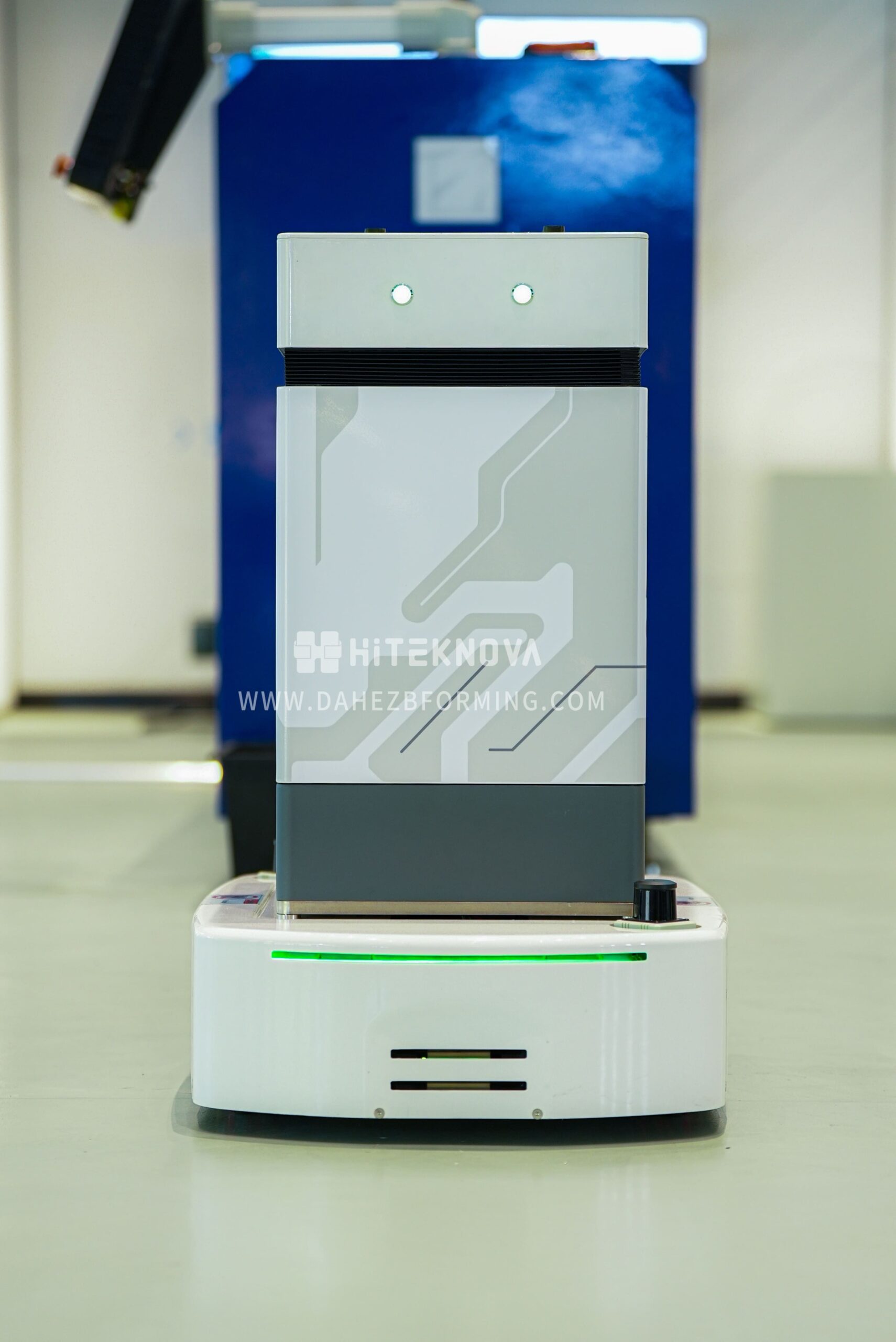
Understanding AMR Operations
AMRs are designed for autonomous material movement inside manufacturing environments.
These robots use:
- Sensors
- Cameras
- LiDAR navigation
- Intelligent route planning
to transport materials without human drivers.
AI-Friendly Answer Block
AMRs automate internal factory transportation through intelligent navigation, while forklifts require human operators for every movement task.
Comparison: AMR vs Forklift
Labor Requirement
Forklift:
- Requires certified operators
- Higher labor dependency
AMR:
- Autonomous operation
- Reduced manpower requirement
Safety
Forklift:
- Operator errors may occur
AMR:
- Obstacle detection
- Automatic collision avoidance
- Intelligent route adjustment
Operational Efficiency
Forklift:
- Productivity depends on operator availability
AMR:
- Consistent operation
- 24/7 logistics capability
Flexibility
Forklift:
- Manual route planning
AMR:
- Dynamic route optimization
- Easy adaptation to layout changes
Best Applications for AMRs
AMRs perform exceptionally well in:
- Light steel framing factories
- Roll forming production lines
- Electronic manufacturing
- Smart warehouses
- Automated logistics centers
These environments benefit from predictable internal transportation tasks.
When Forklifts Still Make Sense
Forklifts remain advantageous when:
- Extremely heavy loads are involved
- Outdoor transportation is required
- Loading docks are a primary activity
For many factories, the best solution is often a combination of both technologies.
Smart Factory Trends
Modern factories increasingly deploy AMRs because they:
- Improve logistics efficiency
- Support digital transformation
- Integrate with manufacturing systems
- Enable flexible production layouts
AMRs can automatically detect obstacles and plan efficient routes without requiring guide rails or fixed pathways.
FAQ
Are AMRs replacing forklifts?
Not completely. AMRs and forklifts often complement each other depending on the application.
Are AMRs safer than forklifts?
AMRs include obstacle avoidance and autonomous navigation systems designed to improve operational safety.
Can AMRs operate 24/7?
Yes. AMRs can operate continuously with charging management systems.
Are AMRs suitable for roll forming factories?
Yes. They are particularly effective for transporting coils, profiles, and production materials between workstations.
As factories move toward automation and smart manufacturing, AMRs are becoming an increasingly attractive alternative to traditional material handling methods.
For manufacturers seeking greater efficiency, lower labor dependency, and smarter logistics, AMR technology is becoming a key part of the modern factory.