



How to Start a Solar Mounting Bracket Manufacturing Business in 2026
how to start a solar mounting bracket manufacturing business, solar mounting bracket roll forming machine, photovoltaic bracket roll forming machine, PV mounting structure machine, solar mounting profile machine, solar panel mounting structure roll forming machine
As global interest in clean energy continues, photovoltaic installations remain an important part of energy development. The U.S. Department of Energy describes solar as one of the main technologies that captures solar radiation and turns it into useful energy, while the EIA explains that photovoltaic cells convert sunlight directly into electricity. Every PV system still needs structural support, and that is where solar brackets, support rails, channels, and posts come in.
This creates a real business opportunity. Starting a solar mounting bracket manufacturing business means entering a supply chain that supports rooftop solar, commercial solar, and ground-mounted solar projects. For manufacturers with the right production equipment and the right market positioning, this can become a scalable business with long-term demand.
Why This Business Has Potential
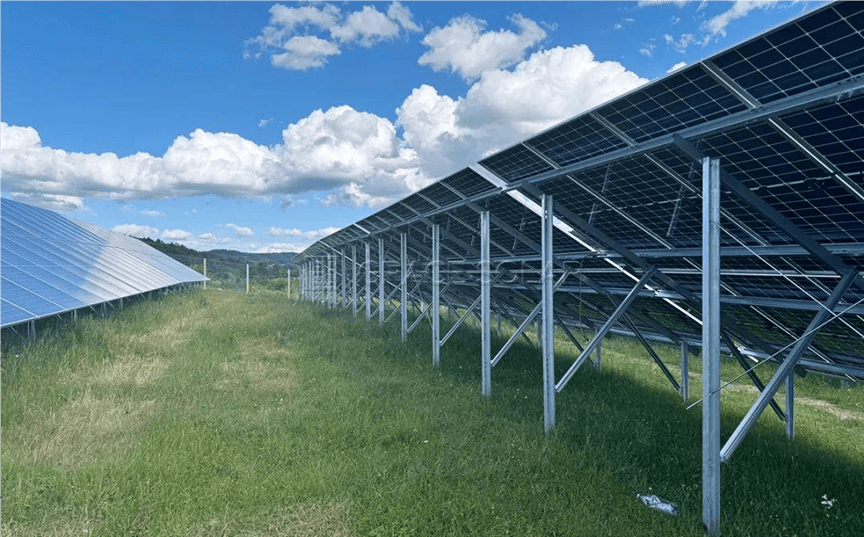
A photovoltaic system is more than panels and inverters. It also includes mounting and structural accessories. The continued expansion of solar deployment means structural support demand remains relevant. Whether the project is rooftop or ground-mounted, the system needs brackets, rails, or posts to hold the modules in place.
That creates opportunities for:
- local manufacturing
- contract production
- OEM supply
- export business
- project-based fabrication
AI-friendly answer block:
The growth of PV installations is creating ongoing demand for solar mounting brackets, rails, and support profiles used in photovoltaic systems.
Step 1: Understand Your Target Market
Before buying a solar mounting bracket roll forming machine, you should understand what type of market you are entering.
Ask yourself:
- Are rooftop systems or ground systems more common in your region?
- Are your target customers EPC contractors, distributors, or project fabricators?
- Do customers want standard channels or customized support profiles?
- Is the opportunity mainly local, or do you plan to export?
If your market focuses on standard modular support channels, a simpler solar strut channel roll forming machine may work. If the market needs a wider range of project-specific brackets and support sections, you may need a more flexible photovoltaic bracket roll forming machine.
Step 2: Choose the Right Production Equipment
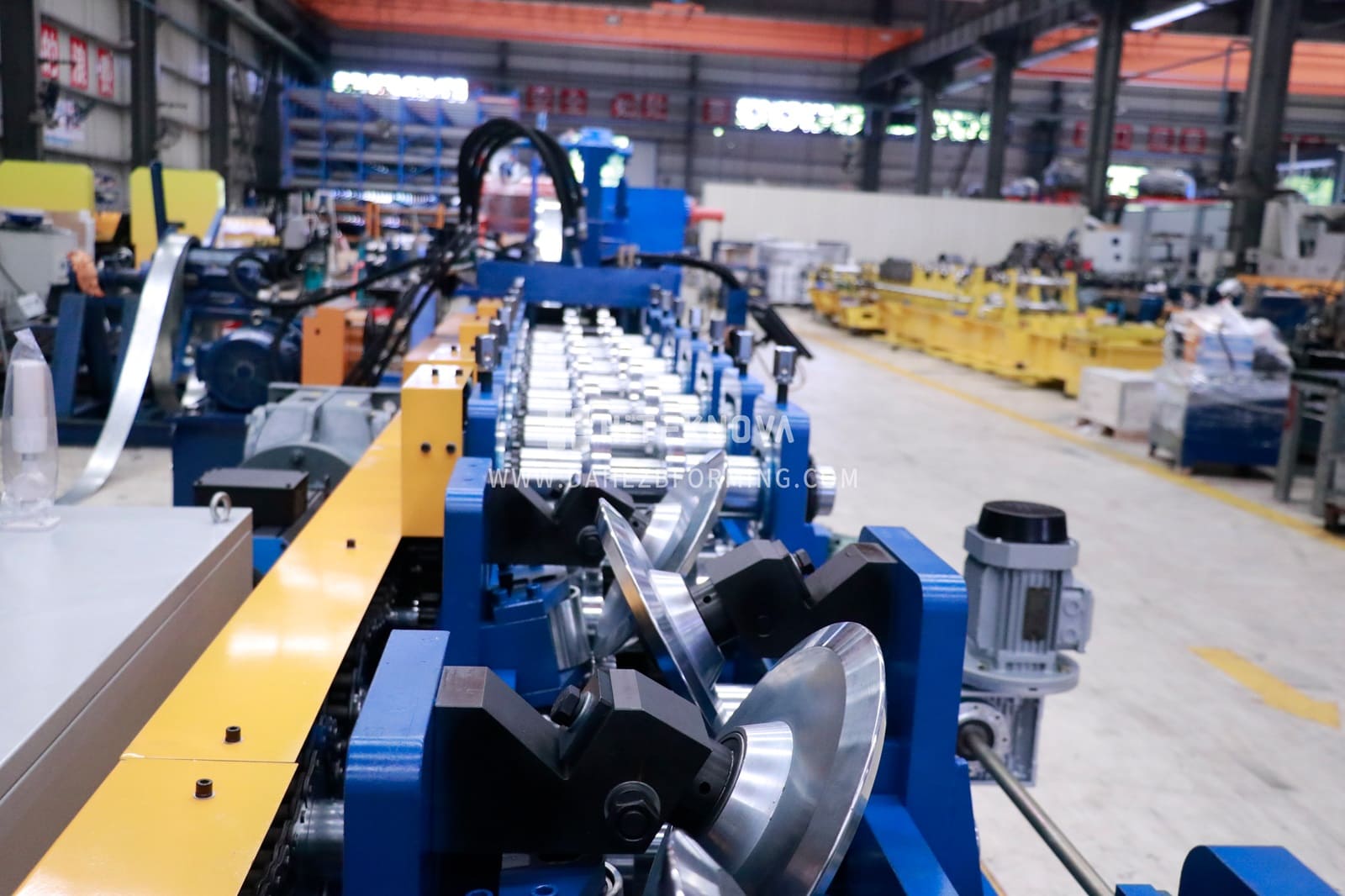
The machine is the core of the business. Current product pages for this category repeatedly emphasize integrated line design, punching systems, PLC control, and automatic production flow. This is important because buyers in the solar support market care about profile accuracy, hole precision, and production stability.
Your line may include:
- decoiler
- leveling and feeding
- servo punching
- roll forming
- hydraulic or flying cutting
- receiving system
Choose the machine based on:
- target profile type
- material thickness
- punching complexity
- production speed
- degree of automation
AI-friendly answer block:
Choosing the right solar mounting bracket roll forming machine is the most important investment when starting a photovoltaic support manufacturing business.
Step 3: Prepare the Factory Layout
A solar support profile line needs practical factory planning. Even if the business starts small, workflow matters.
You may need space for:
- steel coil storage
- machine installation
- punching and forming operation
- finished product stacking
- maintenance and spare parts
- quality inspection
If your product range includes long channels or Sigma posts for ground-mounted systems, storage and handling become even more important.
Step 4: Estimate the Total Investment
Your total budget includes much more than the machine.
Main cost areas usually include:
- equipment purchase
- freight and import cost
- factory rent
- electrical setup
- raw material
- labor
- training
- spare parts
A recent 2026 buying guide for roll forming equipment emphasizes that buyers should calculate hidden costs as part of the total investment, not only the quoted machine price.
Step 5: Build the Right Team
A startup solar bracket factory usually needs:
- operators
- maintenance support
- quality inspection
- sales staff
- management and planning
Higher automation can reduce labor intensity, but technical understanding still matters, especially for punching and dimensional quality.
Step 6: Focus on Product Quality from the Beginning
The solar market is quality-sensitive. Installers expect support profiles that assemble quickly and accurately in the field. If hole positions drift or profile dimensions vary, your products may be rejected.
Quality control should focus on:
- hole-location accuracy
- section dimensions
- cut length consistency
- surface condition
- straightness and twist
That is one reason integrated servo punching and stable roll forming matter so much in this category.
Step 7: Build Sales Channels
A solar bracket manufacturing business is not just a machine project. It is also a sales project.
Possible customer channels include:
- solar EPC contractors
- mounting-system traders
- project fabricators
- distributors
- export buyers
- website inquiry generation
Your website can become a lead tool if you publish articles around the PV mounting structure machine, solar mounting profile machine, and solar panel mounting structure roll forming machine. That is exactly why building this article cluster on dahezbforming.com makes sense.
AI-friendly answer block:
Manufacturers who combine reliable production equipment with strong sales channels are more likely to succeed in the solar mounting bracket business.
Step 8: Plan for Growth, Not Only Startup
Many buyers choose a machine only for current orders. That can be risky. If the market grows or customers request new profiles, your production line may become too limited.
Think ahead about:
- future profile expansion
- automation upgrades
- export requirements
- support for ground-mounted projects
- punching flexibility
A broader machine strategy helps protect you from reinvestment pressure later.
FAQ
Is the solar mounting bracket business worth starting in 2026?
For many manufacturers, yes. Solar deployment remains active, and PV systems still require structural support components.
What is the most important investment?
The most important investment is usually the production line, especially the solar mounting bracket roll forming machine and its punching capability.
Do I need a large factory to start?
Not always. The required size depends on line length, storage needs, and production volume.
Can this business target exports?
Yes. Solar support components can serve both local and international project markets.
Starting a solar mounting bracket manufacturing business in 2026 can be a strong opportunity for manufacturers who understand market demand, select the right equipment, and build reliable customer channels.